Part Two
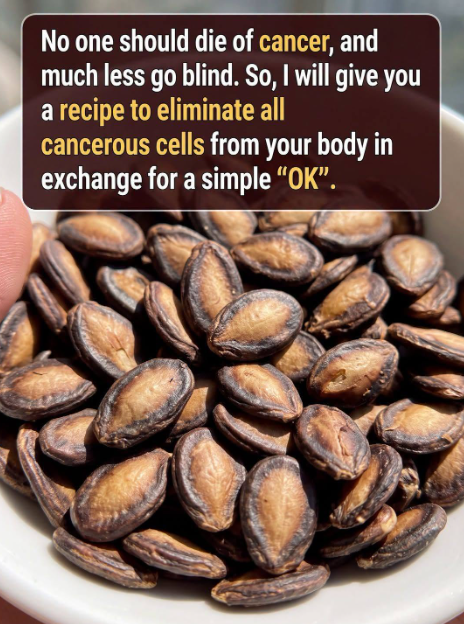
Botanically, roasted seed kernels of this profile typically belong to cucurbitaceous or large-seeded agrarian species rich in storage lipids.
Lipid fractions feature polyunsaturated and monounsaturated fatty acids, contributing to membrane fluidity support upon ingestion.
Micronutrient density includes substantial magnesium, zinc, iron, and potassium locked initially behind protective seed coats.
Phytates and tannins function naturally as anti-nutritional chelators, binding divalent cations until enzymatic or thermal processing shifts availability.
Thermal roasting partially degrades heat-labile vitamins while enhancing aromatic pyrazines and improving palatability.
Antioxidant profiles incorporate tocopherols and phenolic compounds that scavenge reactive oxygen species in vitro.
In vivo translation of antioxidant activity encounters rapid first-pass hepatic metabolism and systemic clearance barriers.
Cancer initiation and progression involve multi-step genomic instability, telomerase activation, and immune evasion rather than simple radical oxidation.
Dietary seeds supply supportive baseline nutrition, contributing amino acids like arginine for nitric oxide synthase pathways.
Epidemiological correlations associate moderate seed consumption with favorable lipid panel trends and metabolic baseline stability.
Attributing selective cytotoxicity against malignant clone cells to dietary seed compounds misinterprets pharmacokinetics.
True anti-neoplastic pharmacotherapy targets mitotic checkpoints, receptor tyrosine kinases, or checkpoint inhibitors with high specificity.
Viral assertions claiming total elimination of cancerous cells via kitchen recipes exploit existential fear and scientific illiteracy [cite: 6].
Gastrointestinal processing reduces intact botanical components into constituent amino acids, simple sugars, and fatty acids before systemic distribution.
Excessive seed intake due to caloric density or high mineral loads can occasionally provoke gastrointestinal distress or mineral imbalances.
Culinary integration works best within a diverse, Mediterranean-style dietary pattern emphasizing whole-food synergy rather than isolation.
Laboratory assays measuring cell-line inhibition in petri dishes frequently fail clinical validation due to bioavailability constraints.
Public health messaging suffers when social media algorithms amplify dangerous falsehoods regarding life-threatening oncology conditions [cite: 6].
Evaluating nutritional utility requires separating metabolic optimization from curative medical intervention.
Concluding summary: Roasted seeds are nutrient-dense botanical packages offering healthy fats, minerals, and culinary satisfaction, not oncologic cures; respect their real biochemical value while dismissing viral reductionist fiction.