Part Two
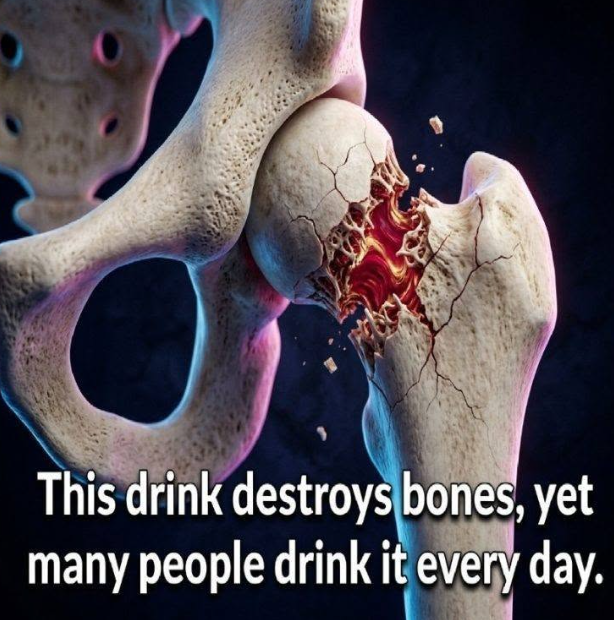
The primary villain in popular dark-colored carbonated beverages is phosphoric acid, added industrially to provide that sharp, tangy bite and extend shelf stability.
High dietary phosphorus loads relative to bioavailable calcium can alter parathyroid hormone (PTH) dynamics, subtly nudging serum calcium equilibrium toward bone resorption.
Population-based epidemiological studies, such as the Framingham Osteoporosis Study, have long highlighted consistent associations between daily cola intake and lower bone mineral density in women.
Added sugars and high-fructose corn syrup—frequent companions in these daily routines—promote systemic low-grade inflammation, insulin resistance, and oxidative stress pathways.
Chronic systemic inflammation upregulates receptor activator of nuclear factor-κB ligand (RANKL), tilting cellular remodeling toward osteoclast-driven bone breakdown over formation.
Caffeine, present in many daily ritual beverages, can cause a transient, minor increase in urinary calcium excretion shortly after ingestion due to mild renal effects.
While adequate dietary calcium compensation can offset minor caffeine-induced renal losses, chronic high caffeine combined with low dairy or plant-calcium intake compounds risk.
Artificial sweeteners often found in diet variants present a distinct metabolic puzzle, though direct bone-destructive mechanisms for them remain actively debated compared to acid-load drivers.
Beyond the chemistry of the drink itself, displacement is a major silent factor: replacing milk, fortified plant milks, or plain water crowds out essential structural micronutrients.
Vitamin D3 and K2 synergy is severely compromised when the foundational mineral pool is continually tapped for routine acid-base buffering requirements.
Early warning signs of accelerated bone loss are notoriously absent, earning osteoporosis its clinical moniker as the “silent thief” of mobility.
Dual-energy X-ray absorptiometry (DEXA) scans remain the clinical gold standard for measuring T-scores and Z-scores long before structural failure manifests as a fracture.
Reversing or halting this trajectory begins with auditing the liquid baseline: swapping carbonated acid overload for filtered water, mineral waters rich in calcium and magnesium, or green tea.
Increasing bioavailable calcium through leafy greens, sardines with bones, sesame seeds, and strategic whole-food integration changes the internal mineral gradient.
Resistance training—heavy compound movements, loaded carries, and impact loading—sends mechanical signals (piezoelectric and fluid flow in canaliculi) that stimulate osteoblast activity.
Hydration tracking apps and intentional morning routines can recondition the palate away from hyper-sweet or hyper-acidic reflexive sipping loops.
Blood serum markers like C-telopeptide (CTX) or bone-specific alkaline phosphatase (BSAP) can offer dynamic insights into bone turnover rates under medical supervision.
Children, adolescents, and young adults are particularly vulnerable because peak bone mass (PBM) is predominantly established during the first three decades of life.
Habits formed during school and university years set a structural savings account limit that dictates fracture vulnerability post-menopause or in later decades of life.
Ultimately, safeguarding your skeleton doesn’t require radical deprivation, but rather a conscious dismantling of automated daily choices that mortgage tomorrow’s mobility for today’s fizz.