Glycemic volatility is a quiet architect of daily physiological shifts long before clinical thresholds cross. Mirrors capture the early atmospheric drop of metabolic pressure before laboratory reports sound alarms. Subtle shifts in periorbital fluid balance and microvascular tone map internal glucose currents. Standard care records the storm post-landfall, ignoring the barometric pressure of micro-glycation. What if your morning reflection contains a real-time cryptographic readout of metabolic load? Systemic sugar surges subtly alter tissue hydration gradients, collagen integrity, and local flow. Mastering these quiet visual feedback loops changes how you interpret daily biological data.
Part One: The Hidden Canvas
Beneath the surface of the stratum corneum, excess glucose molecules begin a silent architectural modification of protein scaffolding long before systemic fatigue registers.
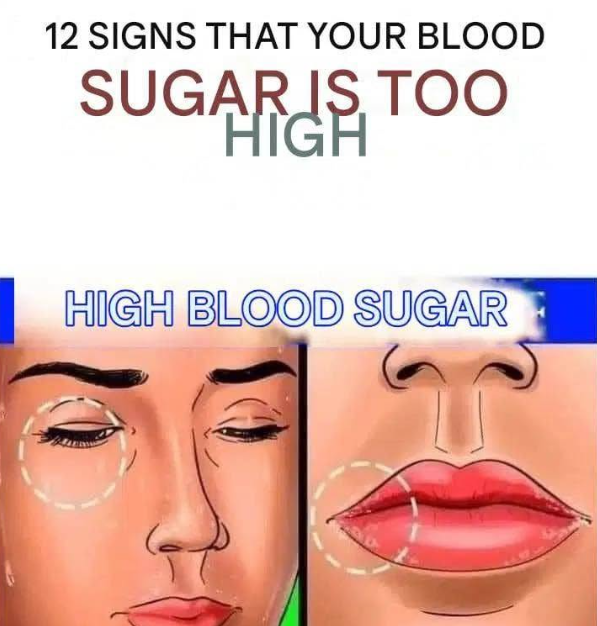
Sign one lingers around the lower orbital curve, where nocturnal fluid distribution betrays morning glycemic rebounds and subtle capillary leakage.
Sign two settles upon the vermilion border of the lips, telling a story of intracellular osmotic thirst that standard topical balms fail to resolve.
Across the high points of the malar prominence, sign three manifests as a transient, unexplained micro-flush during high-carload metabolic windows.
Microscopic textural tightening or subtle velvety shadowing introduces sign four, hinting at early insulin receptor fatigue in adjacent subcutaneous beds.
Sign five involves the subtle loss of tear-film sheen and a tired reflectivity in the ocular periphery tied to systemic osmolarity shifts.
Morning facial architecture tells a distinct tale with sign six, where localized interstitial puffiness resists gravity’s normal drainage rhythm after hours of rest.
Sign seven introduces delayed microvascular clearance, leaving localized under-eye shadows that linger hours past waking despite adequate sleep.
Tactile responsiveness shifts around the lower facial triangle mark sign eight, reflecting low-grade neurovascular irritability tied to glycemic oscillation.
Structural resilience alters with sign nine, where collagen cross-linking rigidity subtly stiffens micro-expression recoil and elasticity recovery.
Deep beneath the malar fat pads, sign ten sketches faint sub-surface tonal asymmetries driven by chronic low-grade metabolic friction.
Signs eleven and twelve wait quietly at the intersection of jawline micro-tension and vascular stasis, completing a portrait most eyes miss. Read Next: Inside the Biochemical Engine—Mapping Every Facial Biomarker to Glycemic Load.
