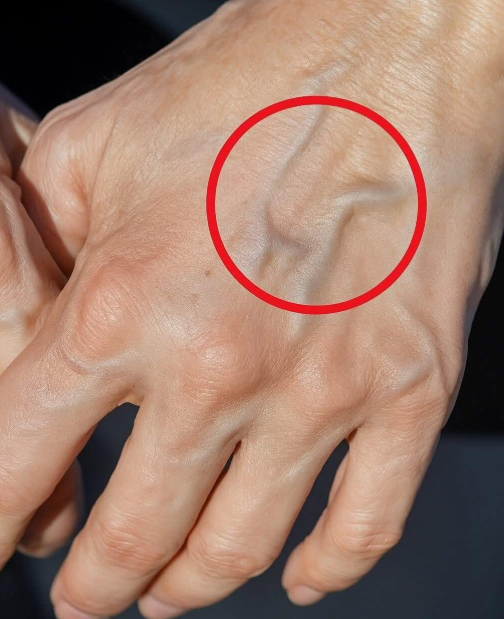
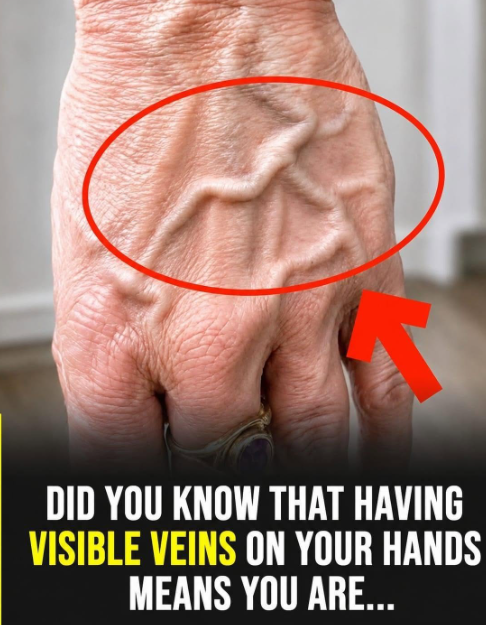
If you have visible veins, it means you are… See more
Navigating physical changes requires looking closely at lifestyle and biological factors that influence how blood vessels appear on your hands, arms, and legs. Being aware of these variables helps you distinguish between normal physiological variation and signs requiring medical attention.
Here are the primary factors that contribute to prominent blood vessel visibility:
- Natural Aging and Collagen Loss: Thinning dermal layers and reduced subcutaneous fat make surface blood vessels much easier to see.
- Low Body Fat Percentage: Individuals with lean physiques naturally display more prominent vascularity due to minimal tissue padding.
- Increased Blood Pressure and Heat: Warm weather and physical exertion cause blood vessels to dilate, bringing them closer to the skin surface.
- Genetics and Skin Tone: Fair skin tones and inherited structural traits often make normal veins appear more pronounced.
As these physical factors interact with your daily routine, understanding the exact threshold where normal vascular visibility intersects with circulatory health requires careful observation. The intricate relationship between blood vessel dilation, hydration, and subcutaneous tissue involves complex physiological mechanisms that many individuals overlook until changes become striking ….👇👇
Once you recognize that if you have visible veins, it means you are observing natural shifts in skin density and circulation, taking proactive steps to support your vascular system becomes essential. Maintaining proper daily hydration ensures your blood volume remains stable, preventing unnecessary constriction or sluggish flow through superficial pathways. Additionally, protecting your skin from excessive sun exposure preserves dermal collagen and elasticity, helping maintain healthy skin thickness over time. Collaborating with your healthcare provider to monitor your circulation and overall cardiovascular health ensures that your body remains strong, balanced, and vibrant at every stage of life 🌿.
Proactive Habits to Support Optimal Vascular and Skin Health
Promoting long-term circulatory wellness and maintaining skin resilience involves adopting consistent, wholesome daily lifestyle habits.
- Stay Consistently Hydrated: Drink plenty of water throughout the day to support optimal blood volume, circulation, and skin elasticity.
- Protect Your Skin from UV Damage: Apply broad-spectrum sunscreen daily to prevent sun-induced collagen breakdown and skin thinning.
- Engage in Regular Physical Activity: Consistent exercise strengthens cardiovascular function and improves overall vascular tone and circulation.
- Maintain Balanced Nutrition: Consume antioxidant-rich foods and lean proteins to support skin repair and connective tissue health.
Frequently Asked Questions
- Is it normal for veins to become more visible as people age? Yes, natural aging involves the thinning of subcutaneous fat and a reduction in collagen, which naturally makes superficial veins more prominent.
- Can dehydration make veins more noticeable? Dehydration reduces overall blood volume and skin turgor, sometimes making veins appear more pronounced or prominent against the skin.
- When should I consult a doctor about visible veins? If visible veins are accompanied by pain, swelling, persistent cramping, or skin discoloration, you should consult a healthcare professional for evaluation.
Embracing a mindful, informed approach to your body’s physical changes is a wonderful way to practice self-care and support lifelong wellness. By understanding what your body communicates through subtle shifts, nurturing your circulation with healthy habits, and maintaining open communication with healthcare professionals, you pave the way for a vibrant future. Enjoy your wellness journey, honor your body’s natural resilience, and step forward into every day with confidence and vitality! ✨